100 Pushups

How to do a hundred pushups

Push-Up Variations, Ranked Easiest to Hardest

There are far more push-ups than the standard floor version, and the right one depends on how strong you already are. This page ranks the main variations from easiest to hardest and links to a full how-to for each one, so you can pick a starting point that matches your level and see exactly where to go next as you get stronger.

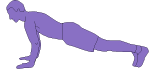
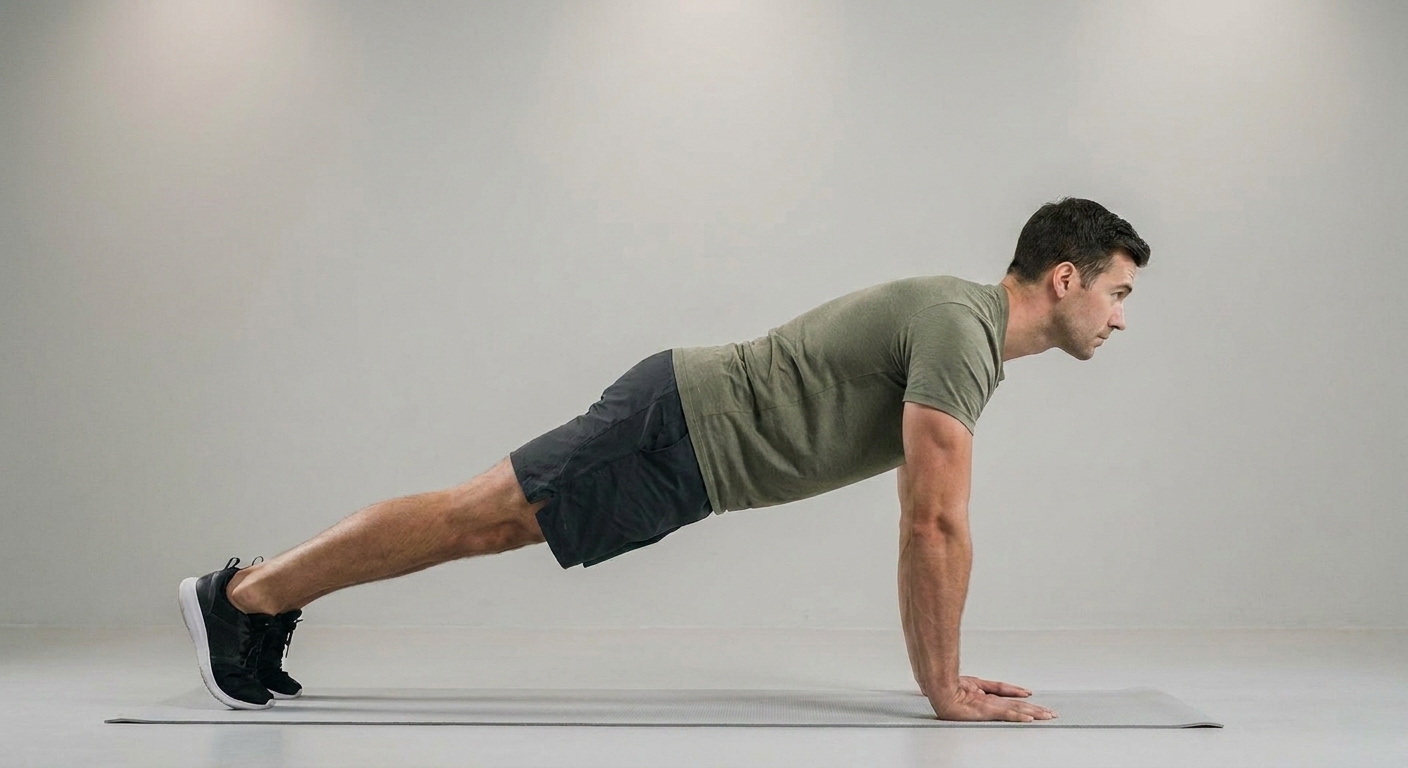
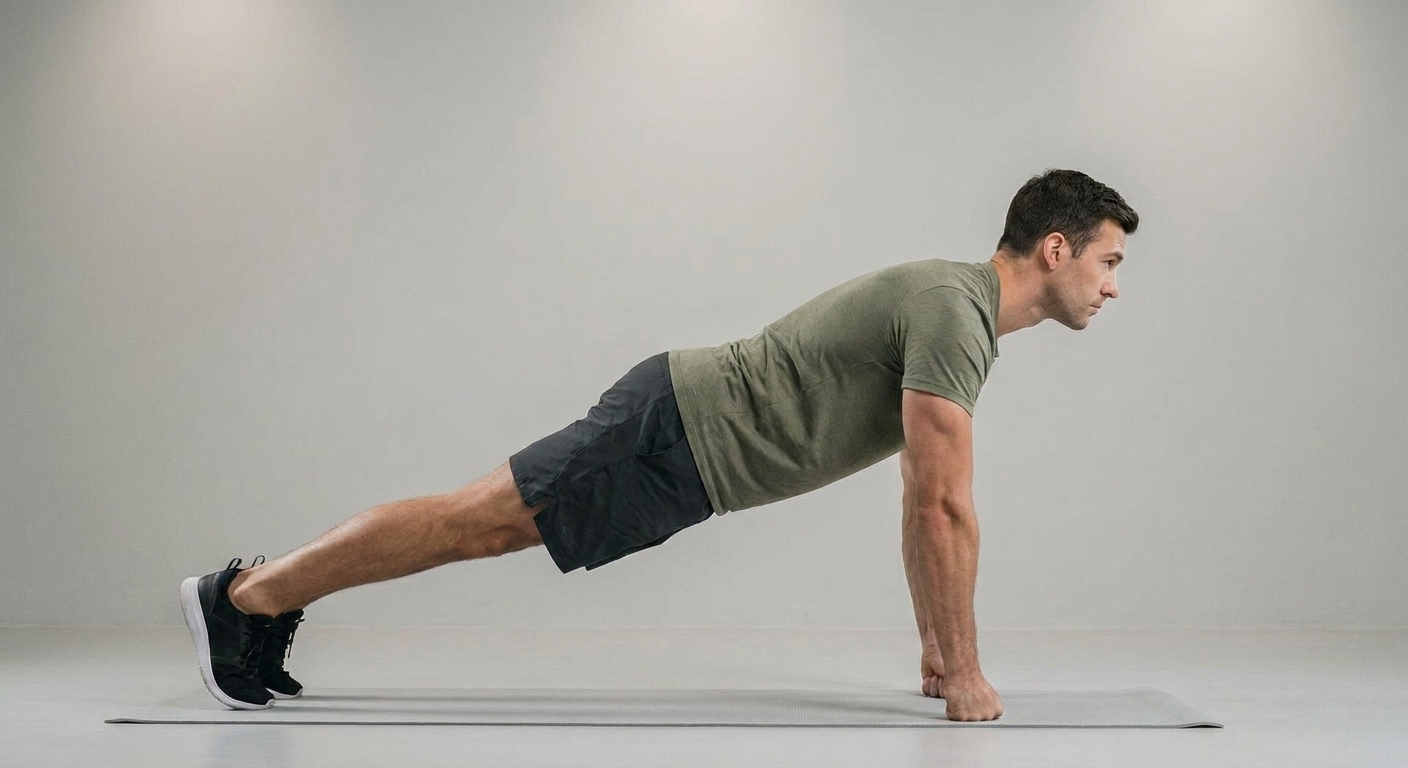
Person doing a standard push-up on the floor with a straight body and hands under the shoulders

Standard Hands under the shoulders Wide Hands wider than the shoulders Diamond Hands together under the chest

Easier variations (build up to a full push-up)

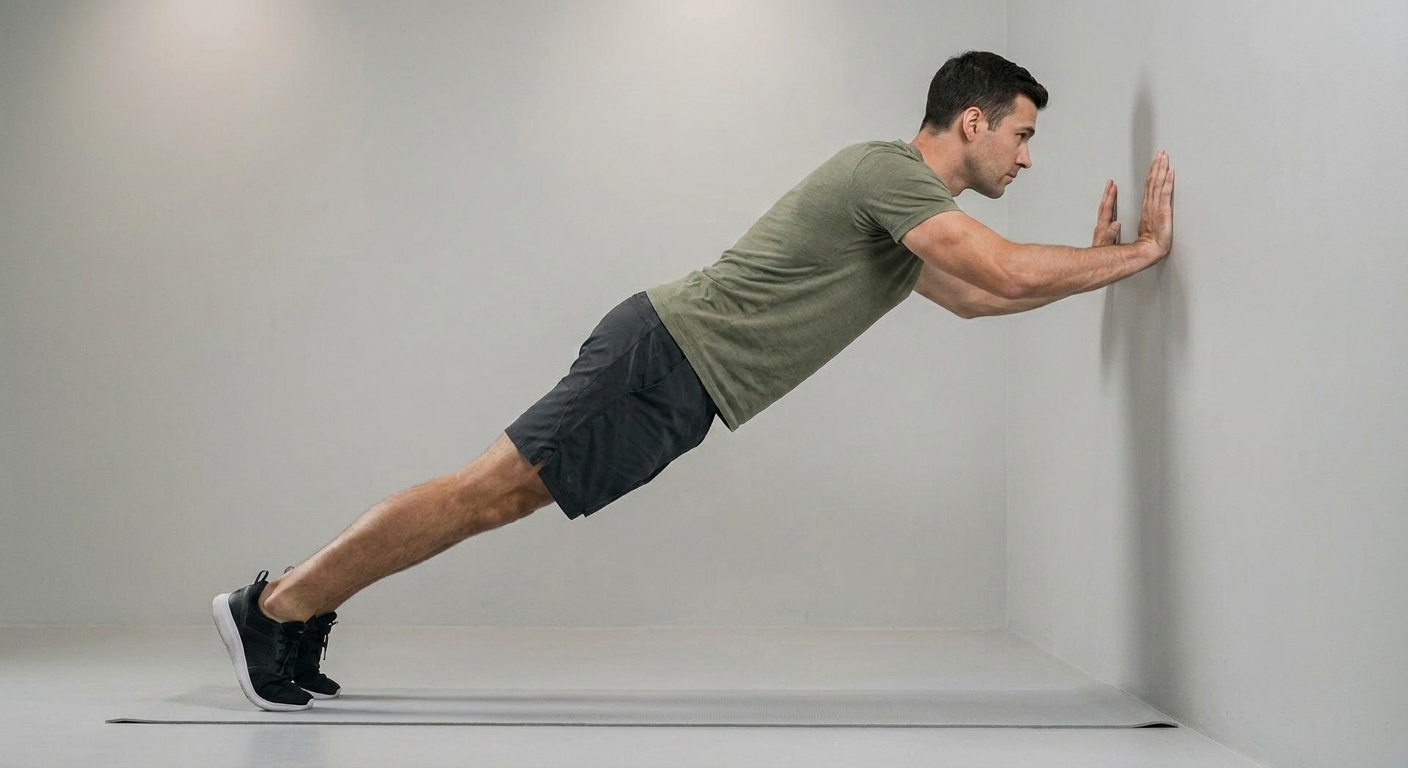
  • The gentlest starting point, done standing against a wall so your arms lift only a little weight: wall push-ups.
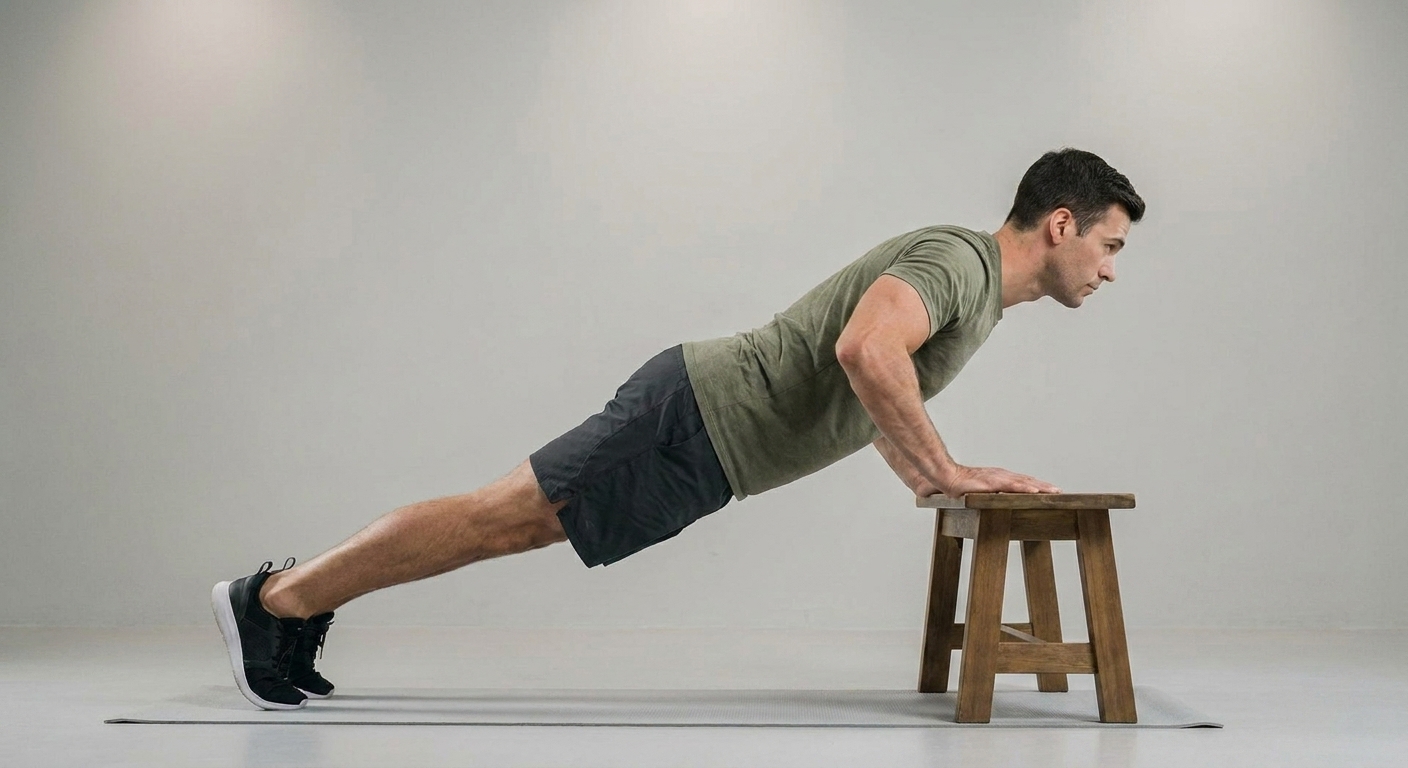
  • Hands raised on a table, bench, or step to take some load off; the lower the surface, the harder it gets: incline push-ups.
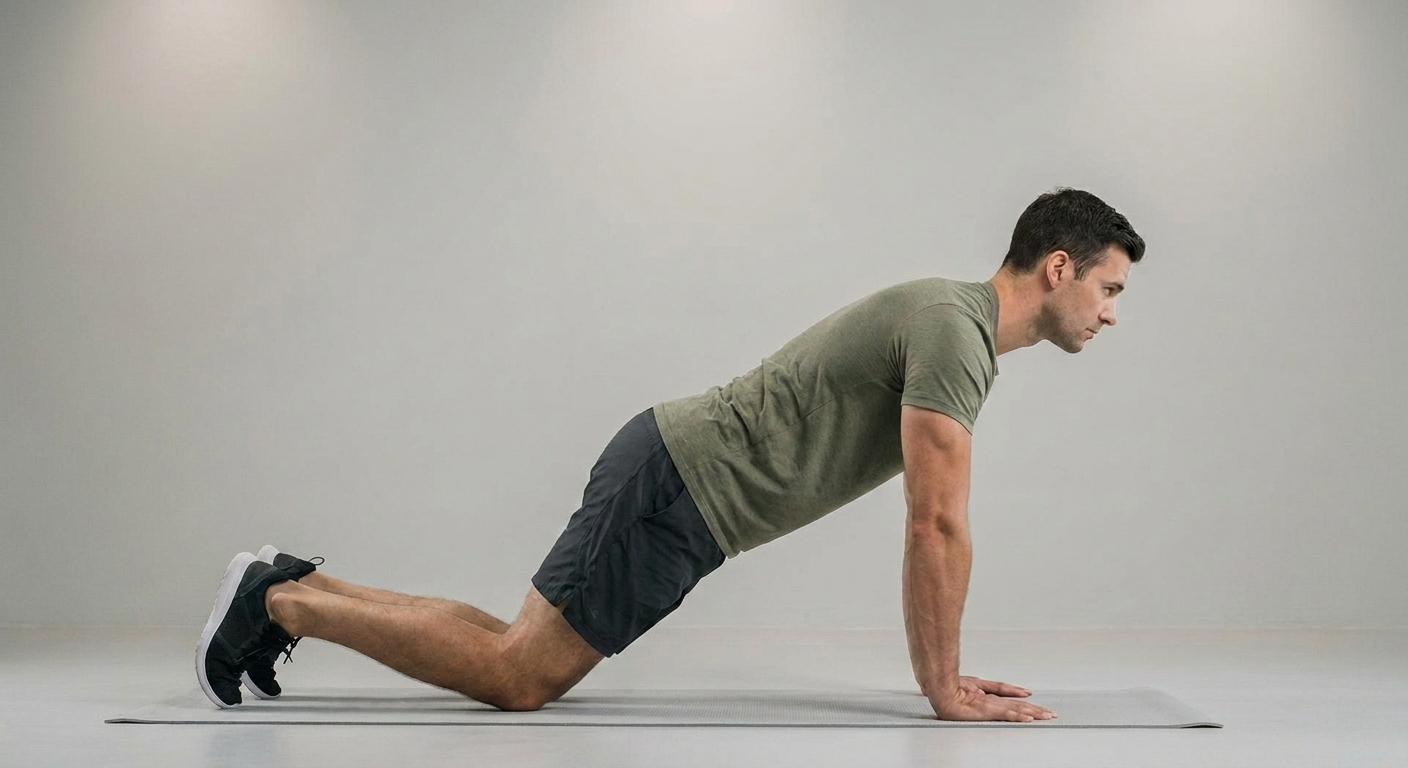
  • A floor push-up with your knees down, so you press a smaller share of your body weight: knee push-ups.

Chest, triceps and shoulder focus

  • Hands set wider than the shoulders to put more of the work on the chest: wide push-ups.
  • Hands close together under the chest, forming a diamond, to hit the triceps hard: diamond push-ups.
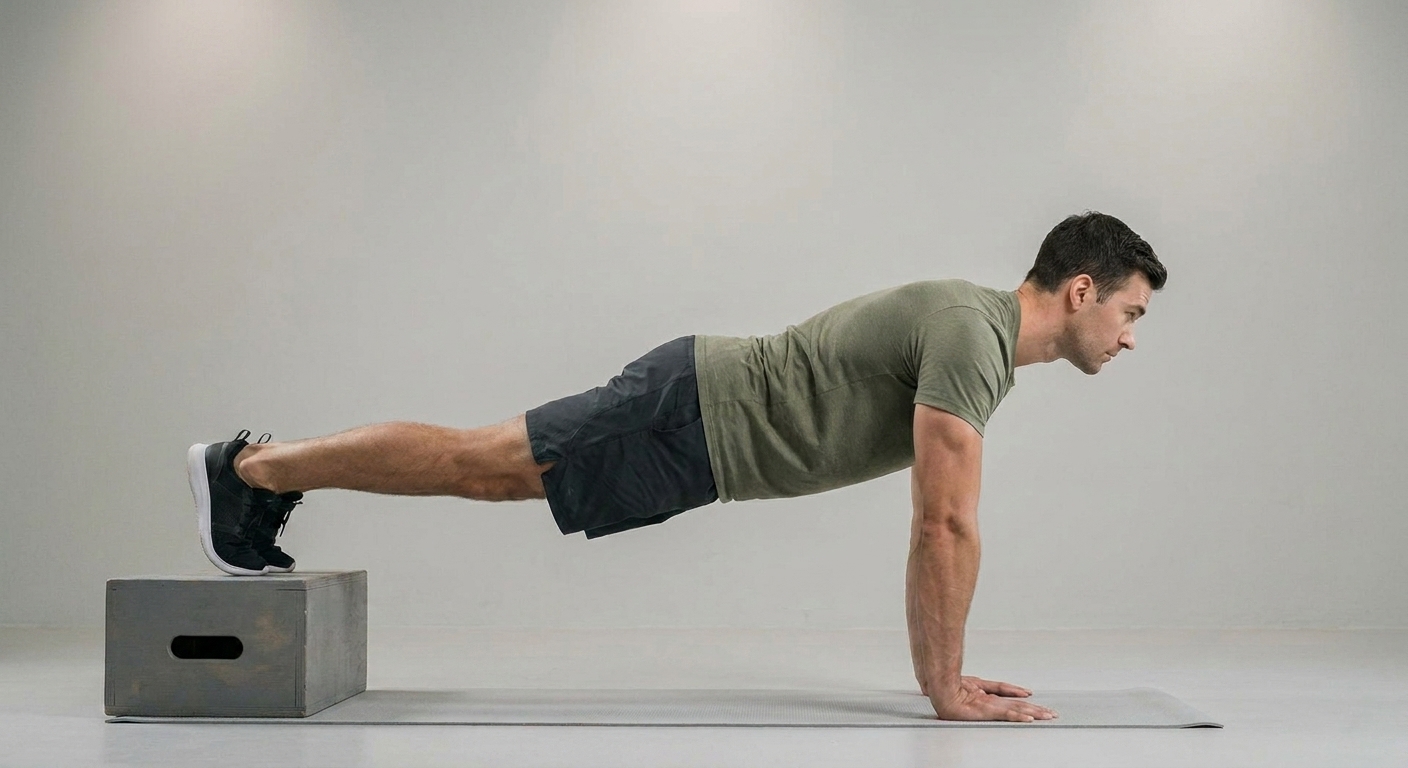
  • Feet raised on a bench or step so the upper chest and shoulders take more load: decline push-ups.
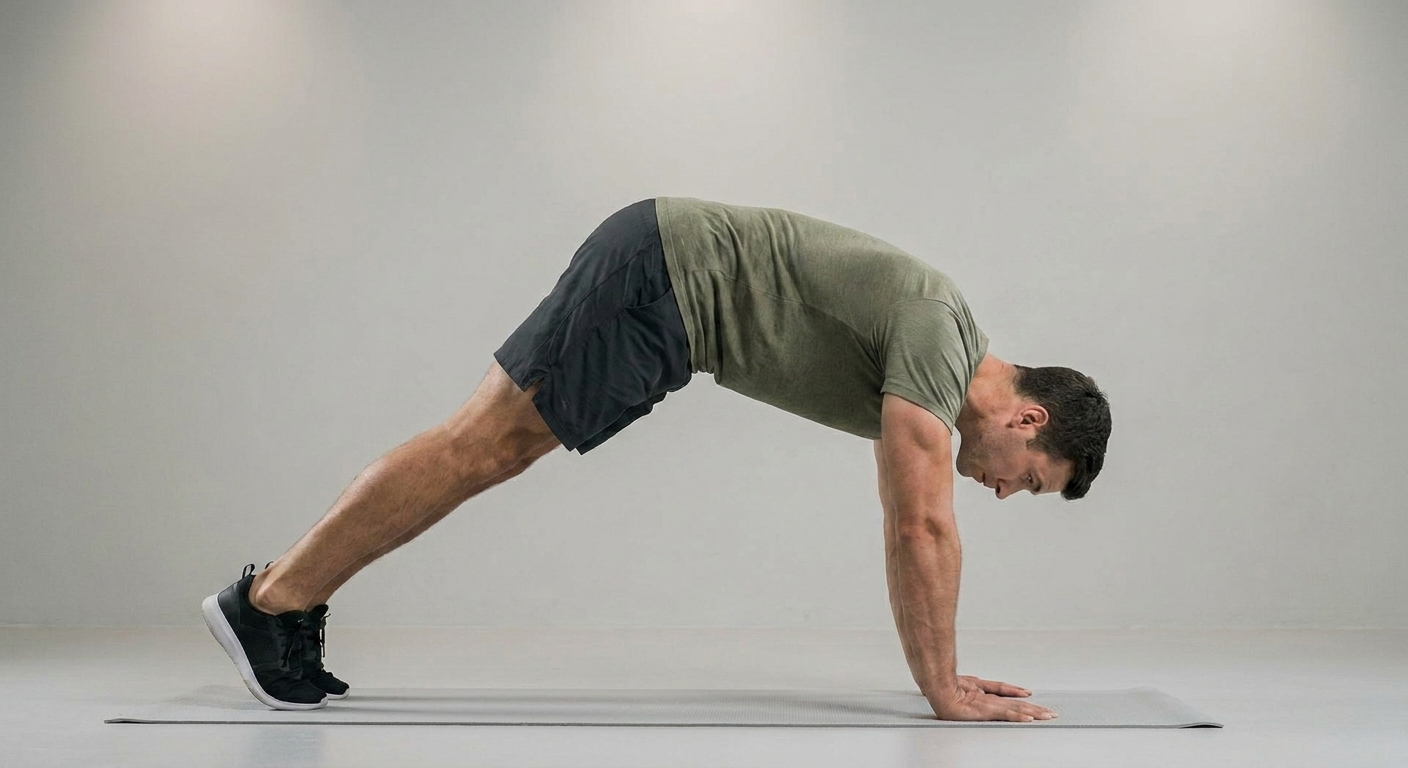
  • Hips high in an inverted V, pressing mostly with the shoulders as a step toward handstand work: pike push-ups.
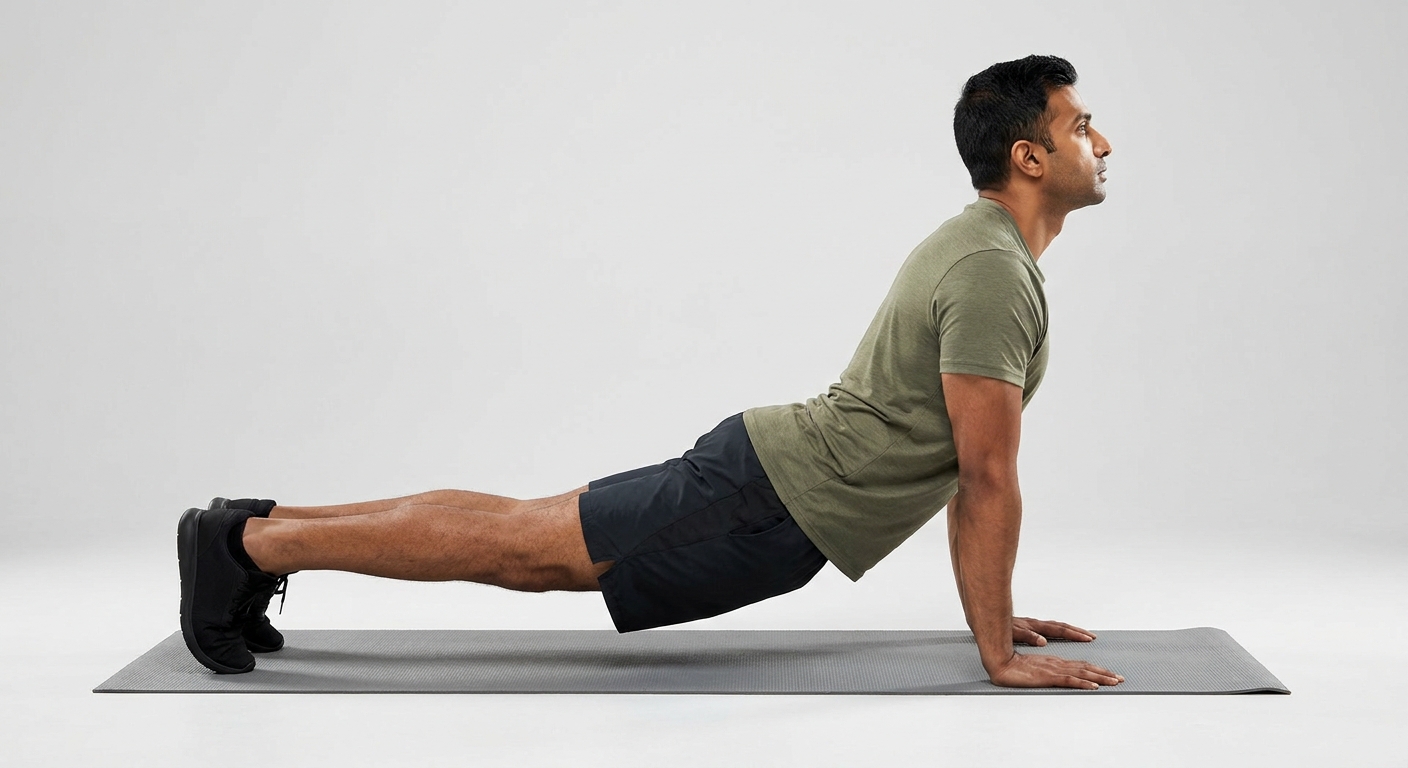
  • A short-range push from the forearms that keeps constant tension on the chest and abs: sphinx push-ups.
  • Done on the knuckles rather than flat palms, easing wrist strain and popular with martial artists: knuckle push-ups.

Core and dynamic variations

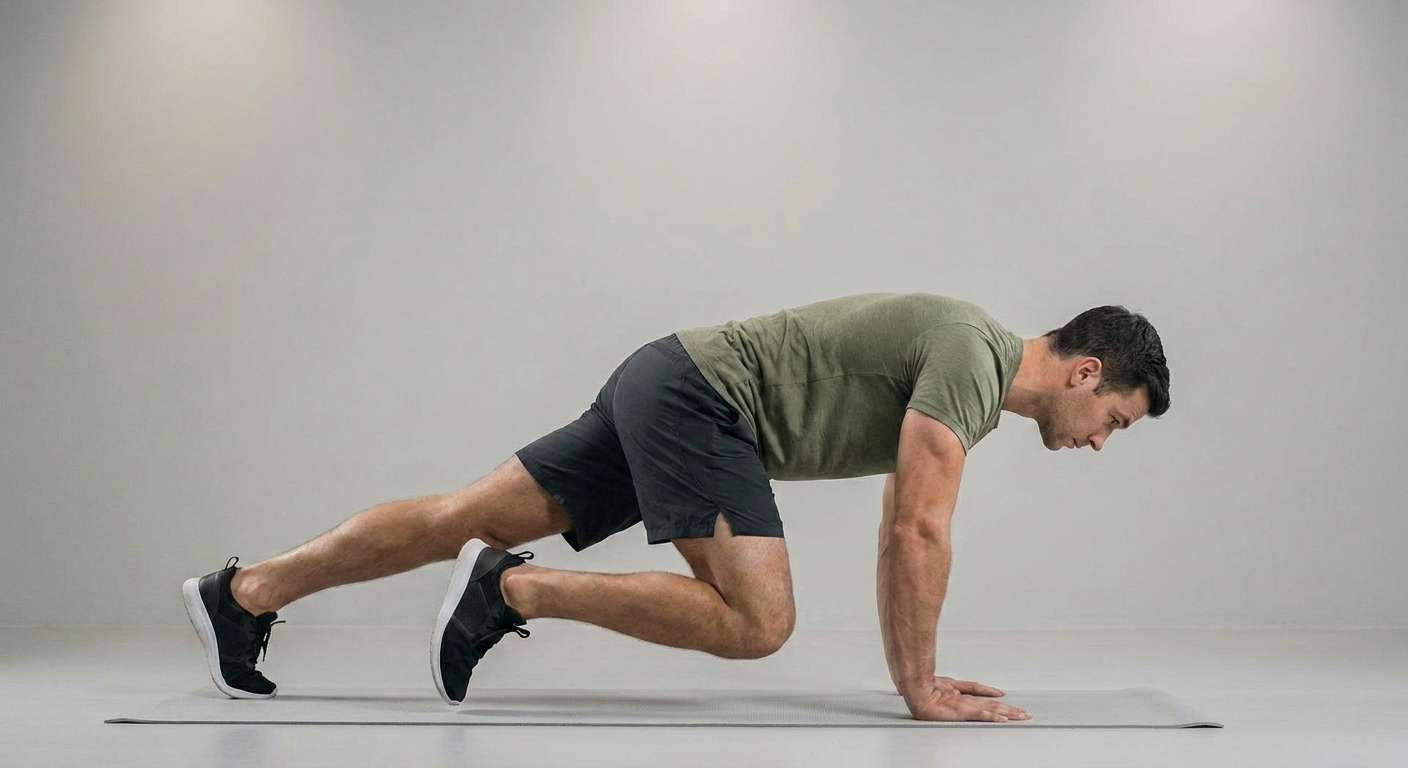
  • Bring one knee toward the same-side elbow on each rep to load the core and hips: Spiderman push-ups.
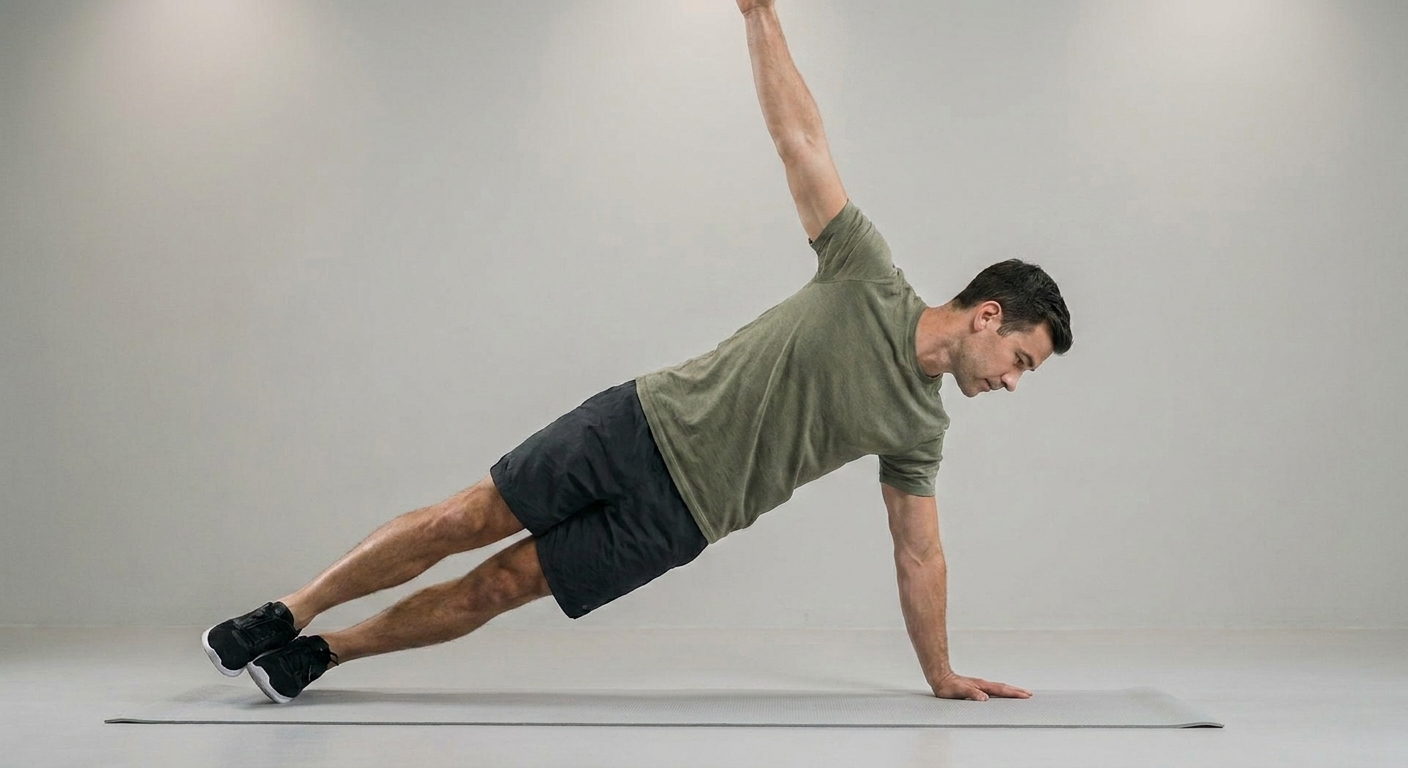
  • Push up, then rotate into a side plank with one arm reaching skyward, spelling a T: T push-ups.
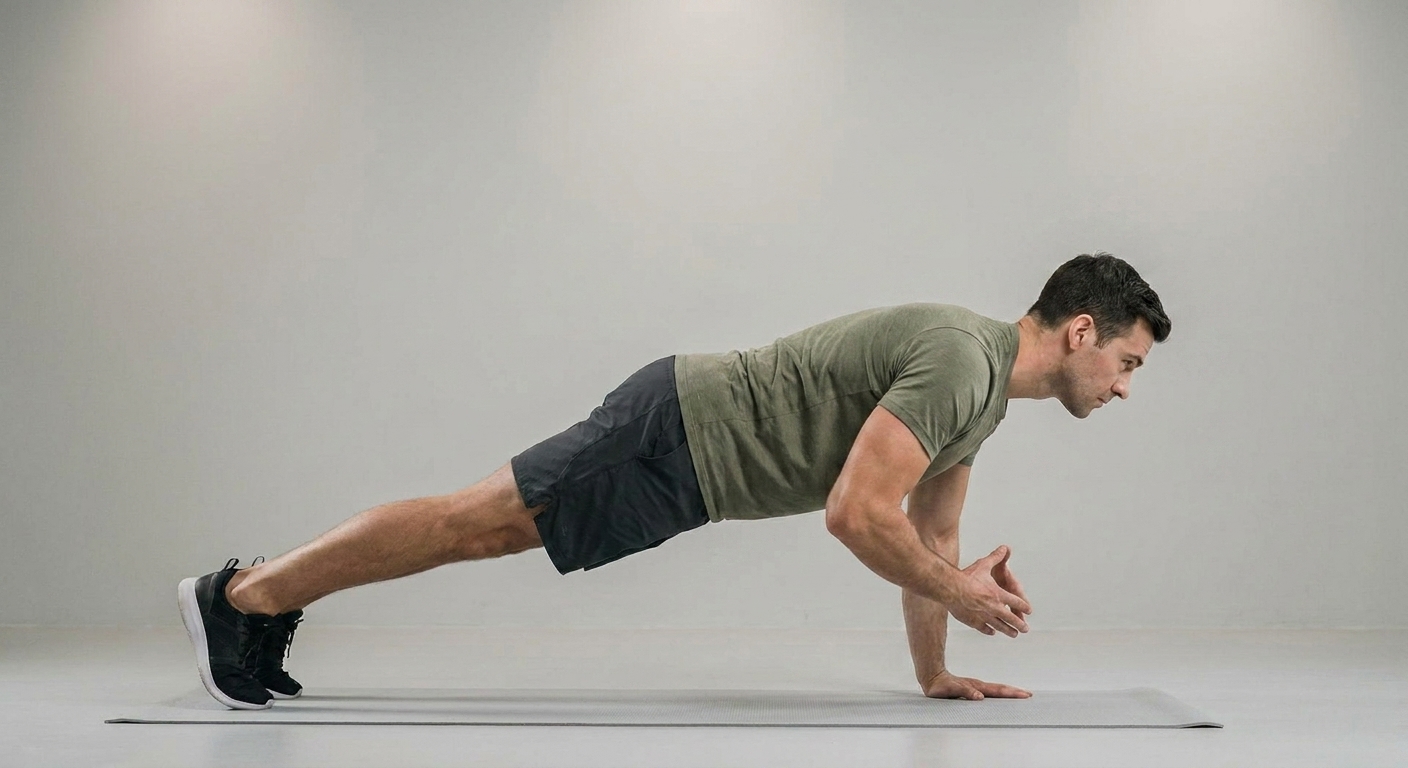
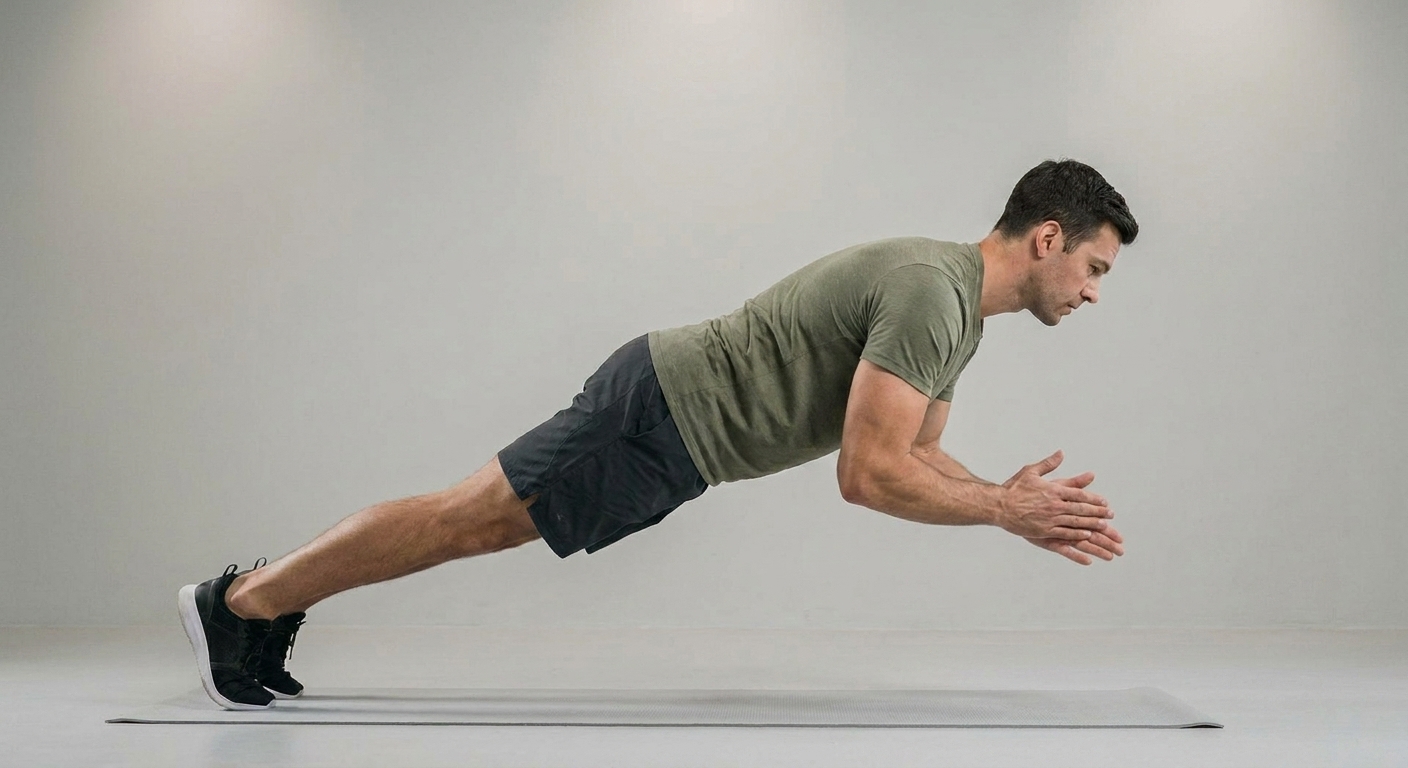
  • An explosive push where your hands leave the floor at the top; a real power move: clap push-ups.
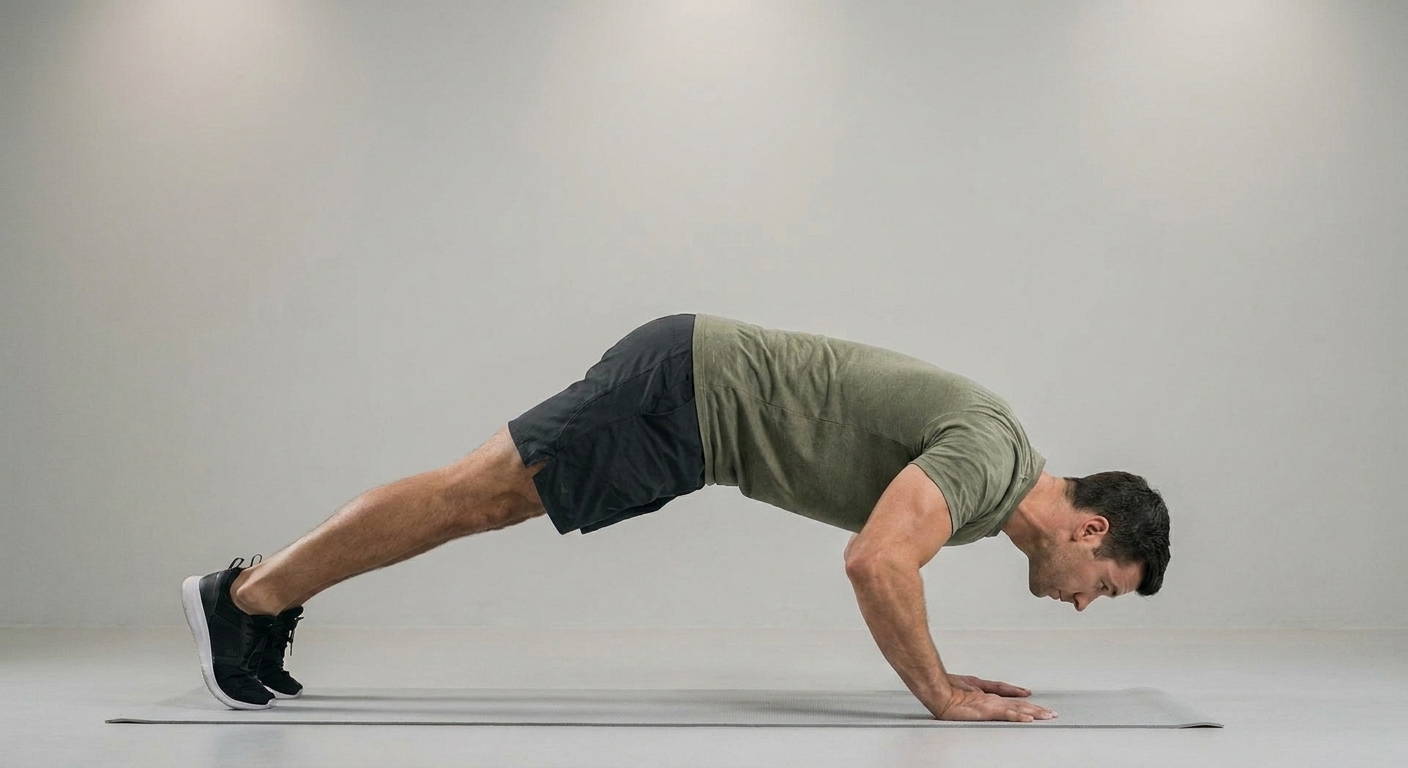
  • A flowing dive-and-swoop that arcs your chest down and forward and back up: dive bomber push-ups.

Advanced strength

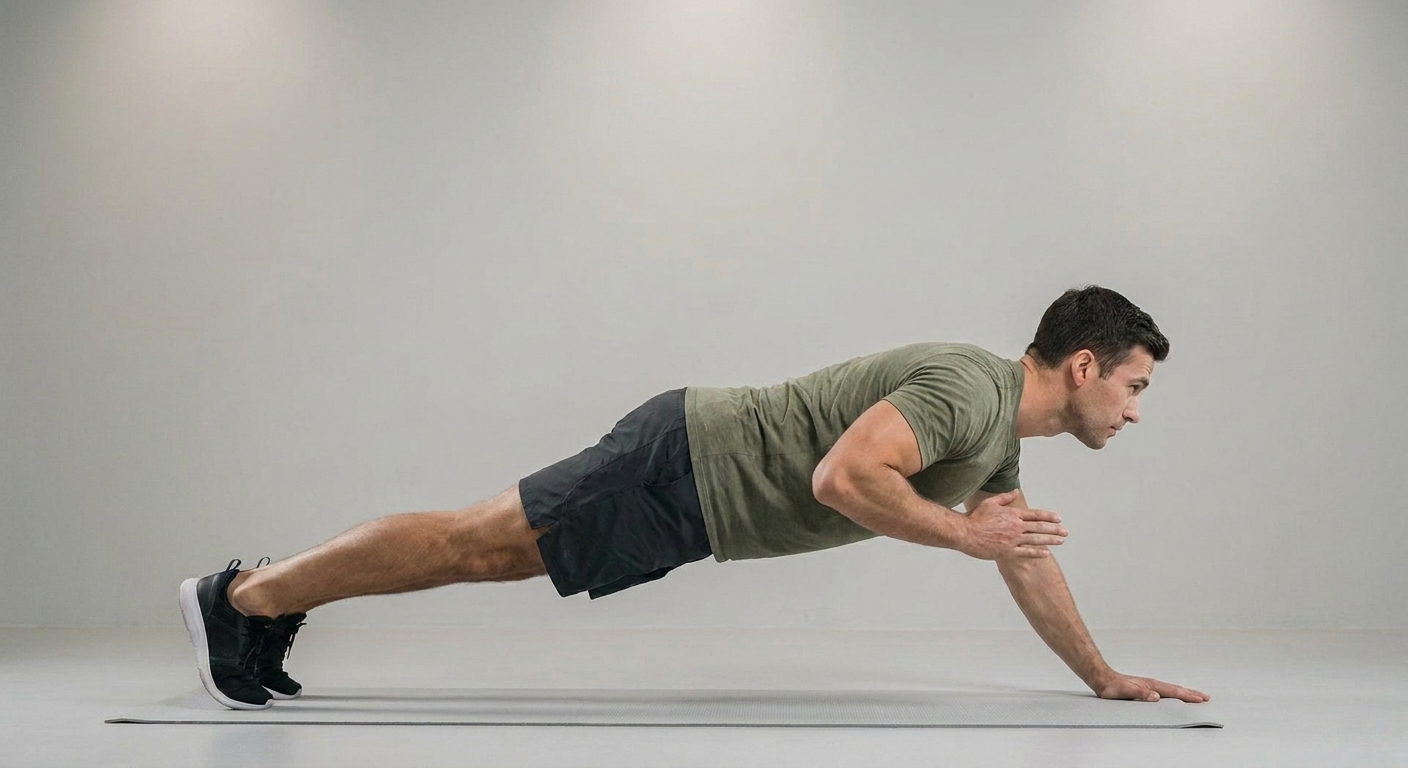
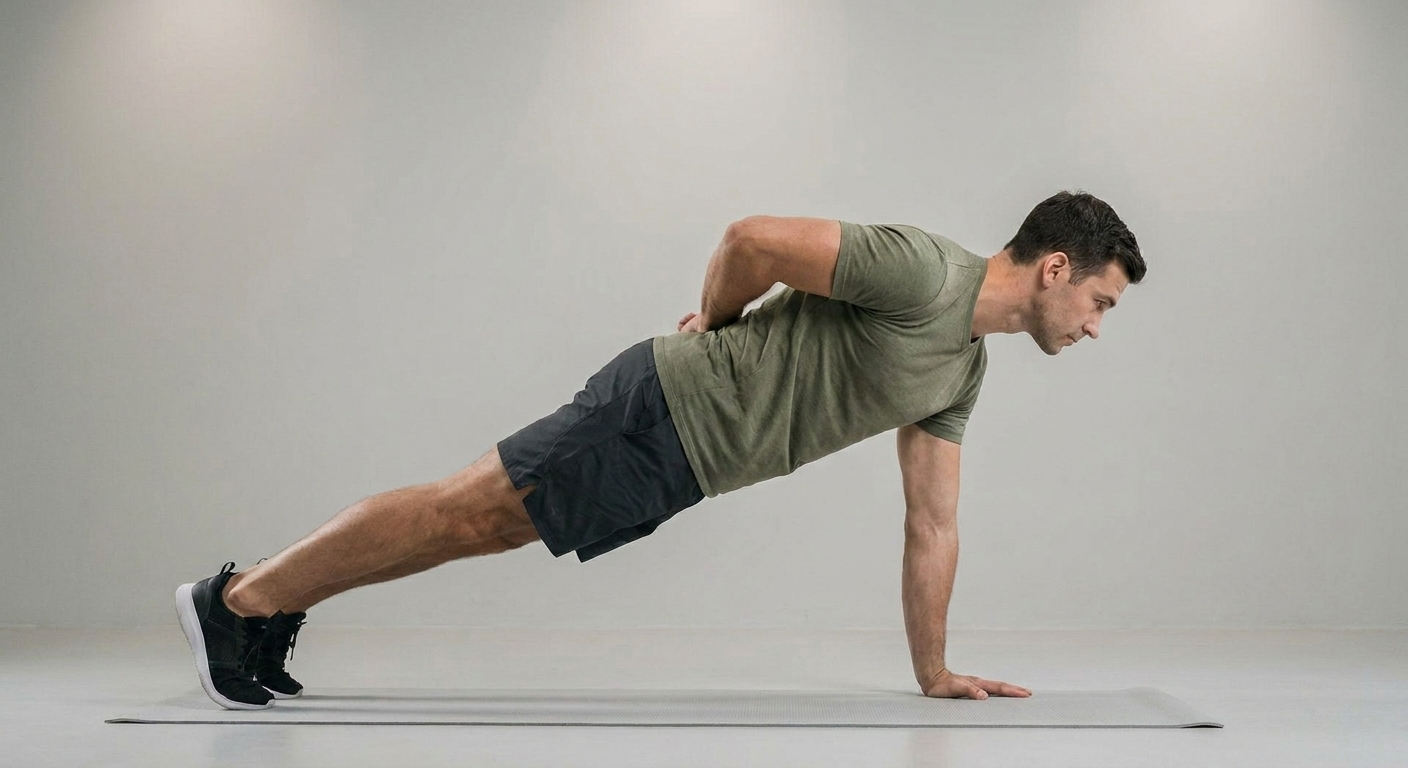
  • Weight shifted onto one arm while the other stays wide and straight, a bridge toward one-arm work: archer push-ups.
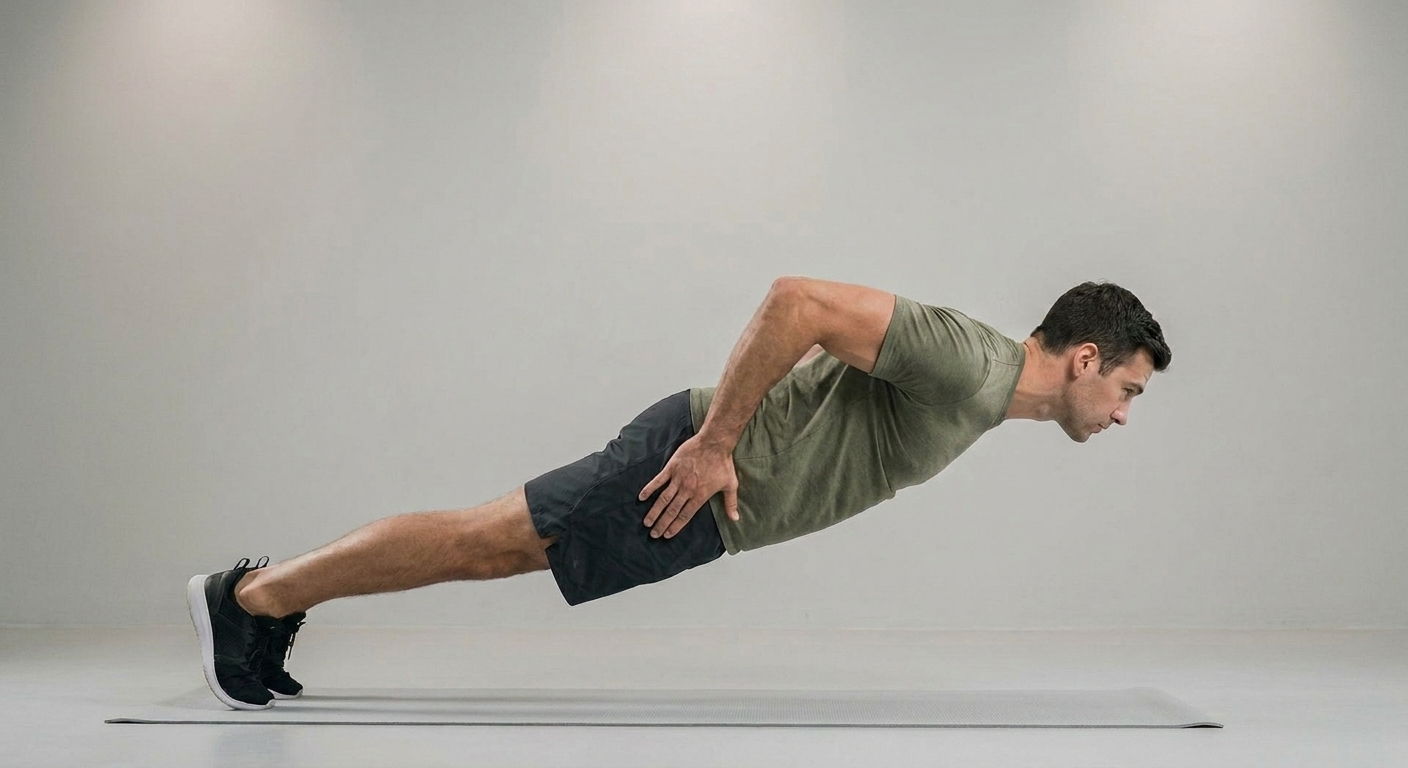
  • Hands turned back near the waist to lean your shoulders far forward, building planche strength: pseudo planche push-ups.
  • The classic test of pressing strength, done on a single arm: one-arm push-ups.
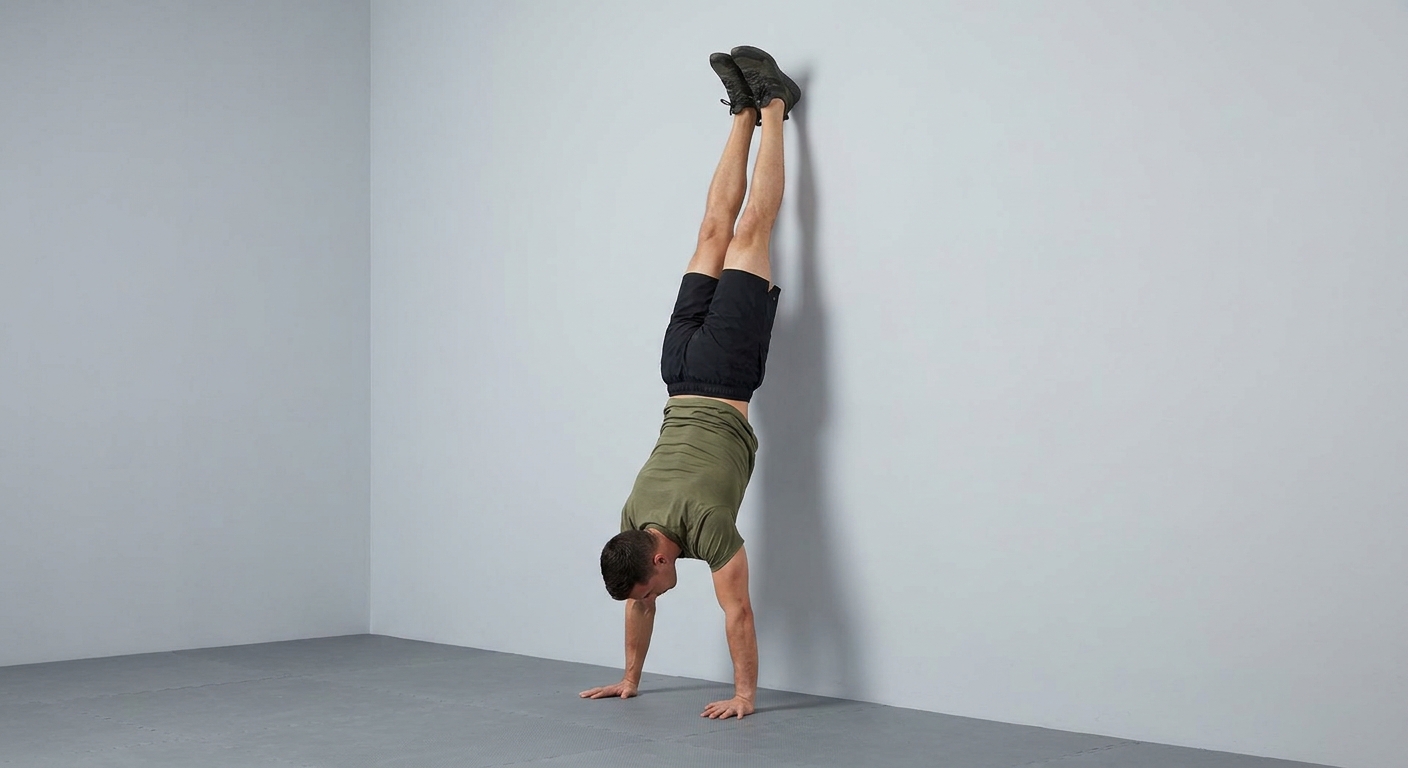
  • An inverted press against a wall that moves most of your body weight overhead: handstand push-ups.

Traditional

  • The flowing full-body push-up long used by Indian wrestlers, also called dands: Hindu push-ups.

Which should you do?

If you are new to training, start with the easier variations and only move down toward the floor once your form holds up. If a standard push-up already feels comfortable, rotate through wide, diamond, and decline to work different angles, and leave the advanced moves until you have a solid base; you do not need all of them to get stronger. Typewriter, staggered, and fingertip push-ups exist as further tweaks once you want more variety.

Whichever you choose, nail your proper push-up form first, then follow the full 100 push-ups programme to build up your numbers.

Advertisement